
Indian Super League: Has It Really Improved Indian Football?
When the Indian Super League (ISL) launched in 2014, it promised to be a turning point for football in India. With Bollywood stars, cricketers, and international football legends endorsing teams, the league created unprecedented buzz around a sport that has often lived in the shadows of cricket. But more than a decade later, the question remains: Has the ISL truly transformed Indian football, or is it just hype without depth?
Star Power and Fan Engagement
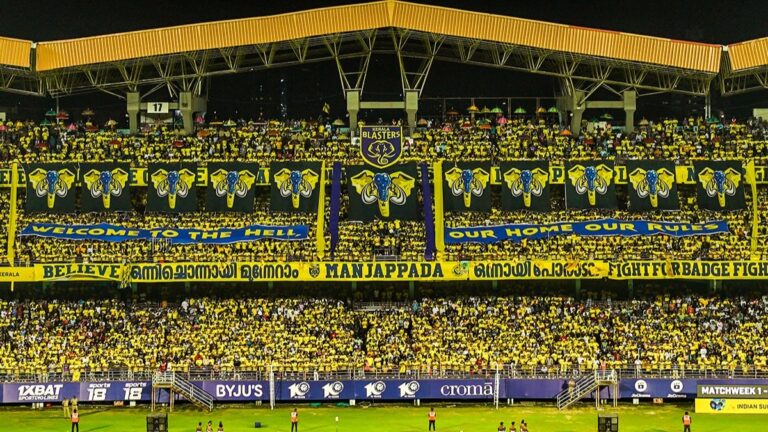
One of the ISL’s biggest successes has been its ability to draw in fans. Bringing in big names like Alessandro Del Piero, Robert Pires, and Nicolas Anelka during its early years gave the league instant credibility. The association with celebrities such as Sachin Tendulkar, Ranbir Kapoor, and MS Dhoni as team owners further boosted its appeal. For the first time, stadiums across India were filled with chanting football fans, proving there is a real appetite for the sport in the country.
Impact on Indian Players
Perhaps the most important contribution of the ISL has been giving domestic players a platform to compete with international talent. Players like Sandesh Jhingan, Gurpreet Singh Sandhu, and Anirudh Thapa have grown into household names, and some have even secured opportunities abroad. The league has provided better salaries, improved training, and increased visibility — elements that were sorely lacking in Indian football before.
.
Challenges and Limitations
Grassroots Development: While the ISL has boosted visibility, India still lacks a robust grassroots system to consistently produce world-class players.
FIFA Ranking: Despite the hype, India’s global ranking hasn’t drastically improved. The national team continues to struggle against top Asian sides.
Overlapping Leagues: The coexistence of the ISL and the I-League has created confusion, slowing down the development of a clear football pyramid.
Dependence on Foreigners: Many ISL teams still rely heavily on foreign players for quality, leaving Indian talent with limited exposure in key positions.
A Cultural Shift in Progress
What the ISL has undeniably achieved is changing the perception of football in India. Young kids are now seen wearing ISL jerseys, cities like Goa, Kerala, and Kolkata have revived their footballing traditions, and the sport has entered mainstream conversations. While challenges remain, the ISL has laid a foundation for football to grow into a sport with both passion and professionalism in India.
Looking Ahead
The future of Indian football depends on whether the ISL can evolve from being an entertainment product to a sustainable footballing ecosystem. Investments in youth academies, long-term planning, and cooperation with the All India Football Federation (AIFF) will be key. If these elements fall into place, the ISL could be remembered as the league that truly kickstarted India’s football revolution.